



It may not technically have taken place in October, but Mocktober 2025 still lived up to the expectations.
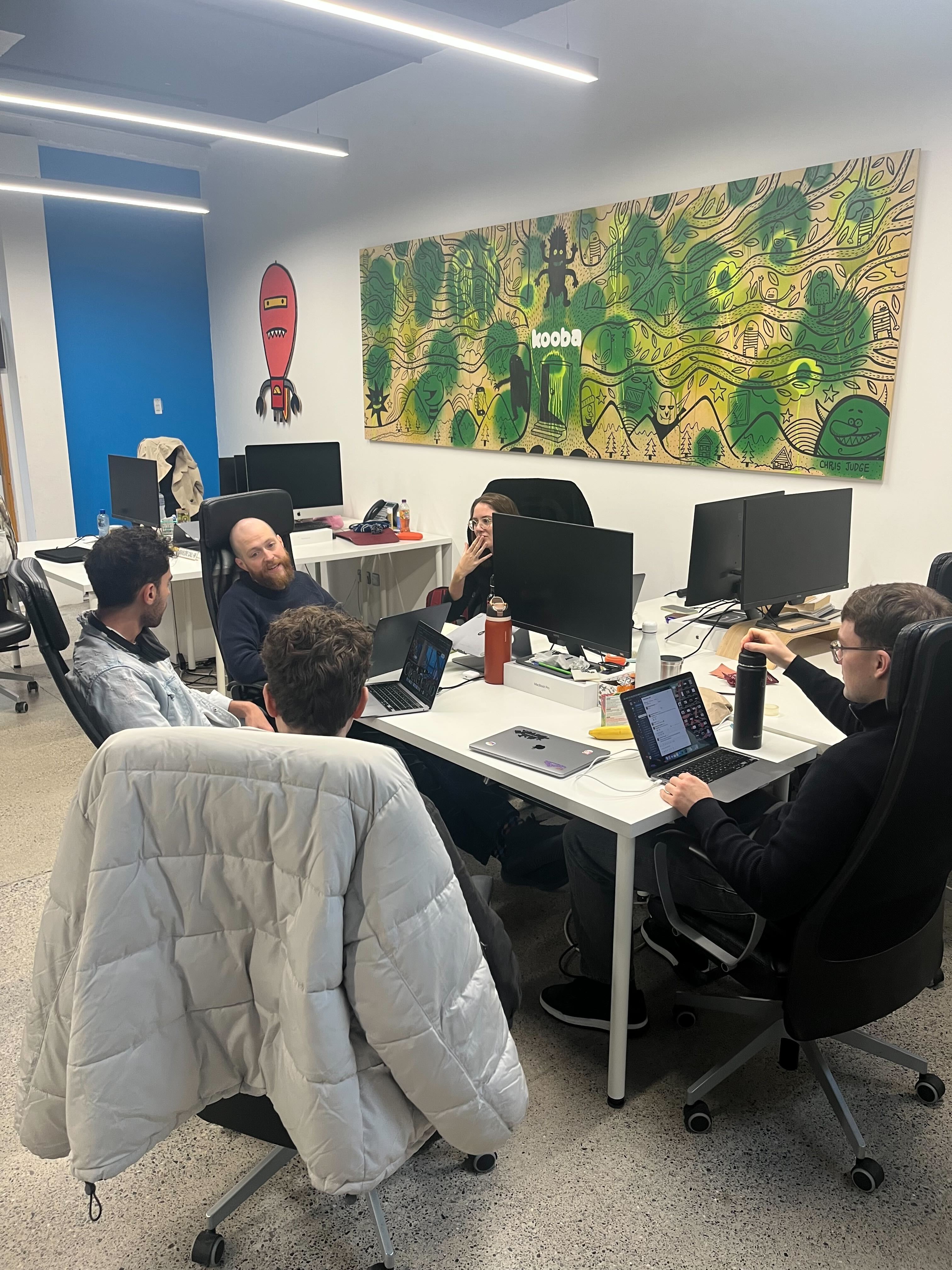
As always, teams from across Kooba competed over the course of a day to build different scary designs, with the winner crowned at the end of the day.
This year, we saw a new twist to the event, with teams creating apps in ChatGPT rather than websites.
The challenge
Following the launch of “apps in ChatGPT” in October 2025, Kooba have been following the possibilities of this technology eagerly. As such, it made sense to try and actually create some apps in ChatGPT for Mocktober 2025.
Apps in ChatGPT are, like the name suggests, applications hosted and presented directly within ChatGPT. As we’ve already suggested, these present dramatic opportunities for different organisations, but they also make new demands on design and development teams.
For this year’s Mocktober, we split into three teams, each containing frontend and backend developers, as well as UI and UX designers. Each team had one day to design and build a spooky app in ChatGPT, with the winners earning bragging rights for the next year.
The projects
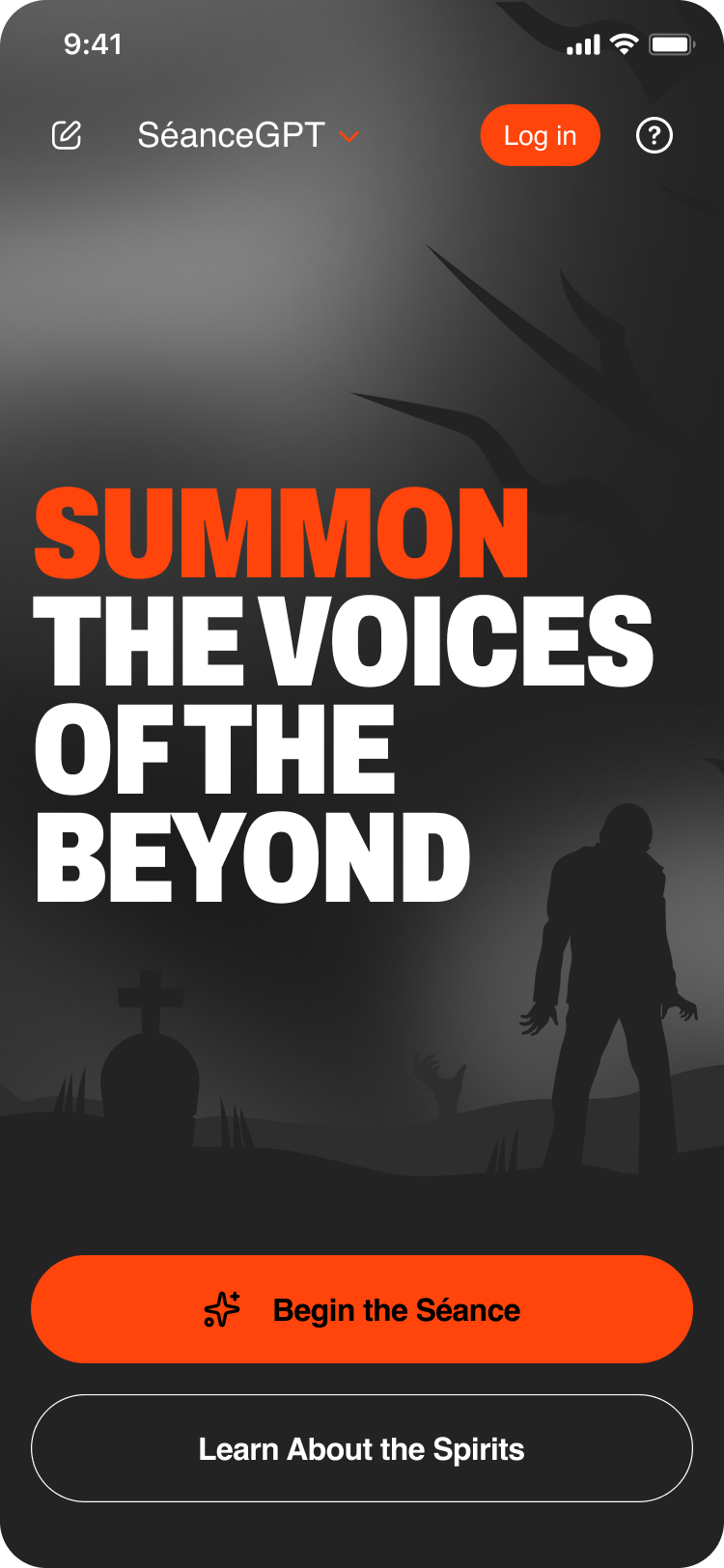
Team one: SéanceGPT
Given that we already use ChatGPT to speak to an inanimate robot, would it be so strange to use it as a medium to communicate with the dead? SeanceGPT harnessed the conversational nature of ChatGPT to design a discursive tool for speaking with famous figures from the past.
Their entertaining presentation featured “appearances” from both Amy Winehouse and Micheal Jackson, making the most of the ChatGPT's discursive elements.
Team two: Kooba After Market
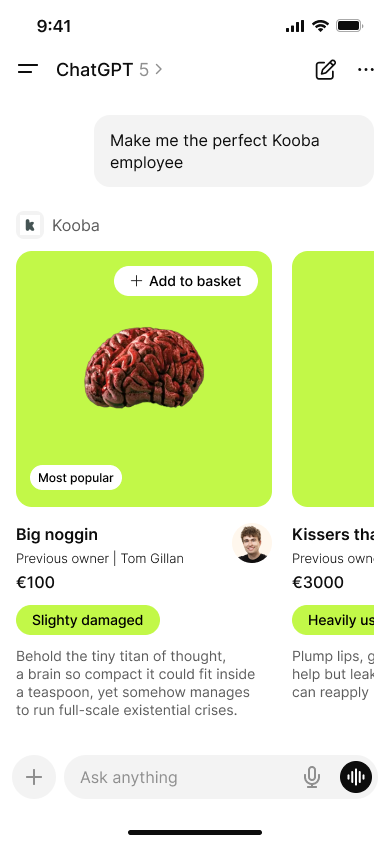
Why pay for a new employee when you can reuse an old one? Kooba After Market provides a digital exchange for the creation of Frankenstein employees, combining the best features of multiple workers at a discounted price. The finished design showed the best (and worst) of Kooba’s team, all joined into the ultimate Kooba employee.
Team three: Final Transaction
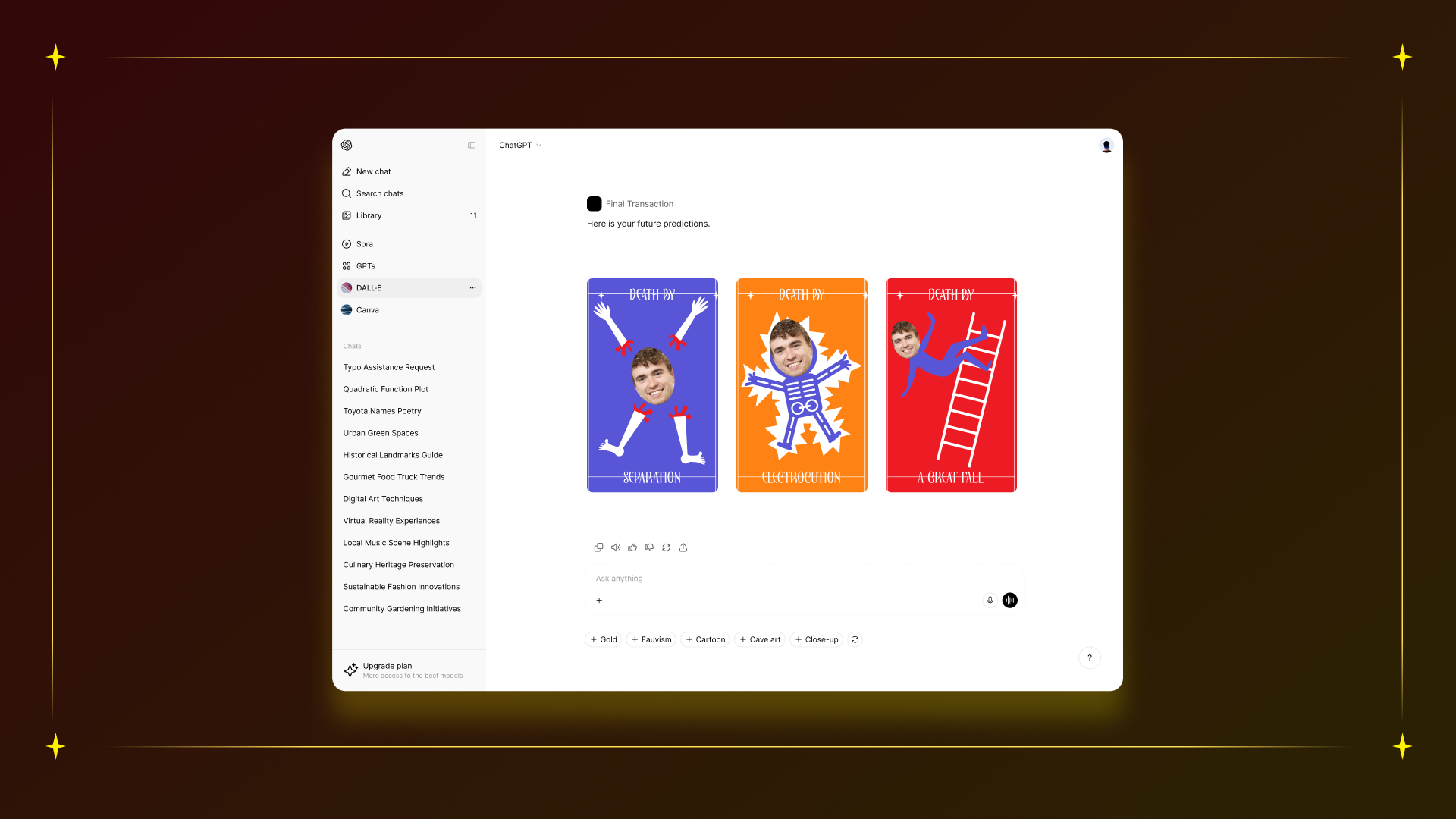
Tarot card readings can anticipate your future needs and demands, so why not combine them with an integrated e-commerce solution? This was the somewhat dystopian concept behind Final Transaction, which provided users with a tarot reading app inside ChatGPT, followed by a series of “suggested” purchases to forestall their impending doom.
Given the growing popularity of ChatGPT as a therapy tool, this app could be displayed whenever users express anxiety or uncertainty about the future, helping convert them into valuable revenue streams for e-commerce partners (pretty dark, we know).
Final Transaction proved to be the winner, helped by a simulated advertising campaign and a successful prototype built within ChatGPT.
What we learned about apps in ChatGPT
It’s one thing to speculate blindly about a new technology, but another entirely to get your hands dirty using it directly. By actually working with this new tool, we’ve come to a greater appreciation of the challenges and opportunities that apps in ChatGPT present.
Conversational design is crucial
From a design perspective, it is important to understand the exact role an app plays within a ChatGPT interaction. It is not just a branded chatbot (ChatGPT can deliver this themselves) but neither is it a conventional app. Good designs will make the most of the contextual knowledge of ChatGPT, encourage conversational interactions from users, and provide information and tools which could not otherwise be delivered within a LLM.
Developing an app in ChatGPT is difficult
Whilst every team was able to design mockups of their idea, only the winners managed to load any content within ChatGPT itself. Despite using ChatGPT’s specialised SDK, developing apps within the platform is time consuming and challenging, especially from a backend perspective. As such, spending a day grappling with these issues was highly beneficial for Kooba’s development team.
There’s a lot still to learn
Finally, we now have a sense of how much we still need to learn about this new platform! Don’t be surprised to see us talking more about conversational and contextual design over the next months, as these are areas we’ll be super excited to learn more about. Like any change in the world of web design, Kooba's team will first need to gain the skills and knowledge required, and then start providing quality work for clients.