






Since the rollout of “AI overview” features across Google, Bing, and Yahoo, almost 80% of conventional media outlets have seen a decline in site traffic. With user queries being satisfied within the search engine ranking page (SERP) itself, the motivation for actually clicking onto a website has been greatly reduced.
For anybody in the business of SEO or content marketing, this should be regarded as a canary in the coal mine. Not only will your content need to rank highly within LLM rankings (see our previous article on GEO here), but this content will increasingly be shown to users outside of your own publishing platforms.
Crucially, the metrics which we once judged our content by (GA4 views, website engagement times, click rates etc), will now fail to measure highly valuable user interactions occurring within LLMs and SERP AI overviews.
The invisible funnel
Carl Sagan once said that “absence of evidence is not evidence of absence”.
In a search environment which is increasingly hard to measure in quantitative terms, this aphorism is worth remembering. Just because user queries and brand interactions are being handled in ways we struggle to track, that does not mean they are not occurring, and it certainly doesn’t mean that they don’t matter. When LLMs pull your content directly into search results, users may not click into your site, but they are still interacting with your brand and your content, and you can still gain from these interactions.
In fact, when LLMs connect your content with user queries, the associations this brings your brand can be more positive than ever. Featuring in search engine previews serves as a mark of authority, and shows your content as being legitimate, useful, and credible. The only issue, of course, is that these interactions are invisible to your business.
How do we measure LLM visibility?
This raises the question, is there any way to measure the degree of LLM visibility experienced by your brand? There is no shortage of firms offering answers here, but none can actually provide rigorous results on LLM rankings or visibility. LLMs function in very opaque ways, and most commercially available LLMs (ChatGPT, Claude, Anthropic etc) are set to have a high “temperature”. This essentially means that the answers given to a certain query (say, “What is the best web design agency in Dublin?”) will vary within a fixed band of variability. Because of this, you may only see Kooba in 60% of searches, even if we were actually ranked highest within the model.
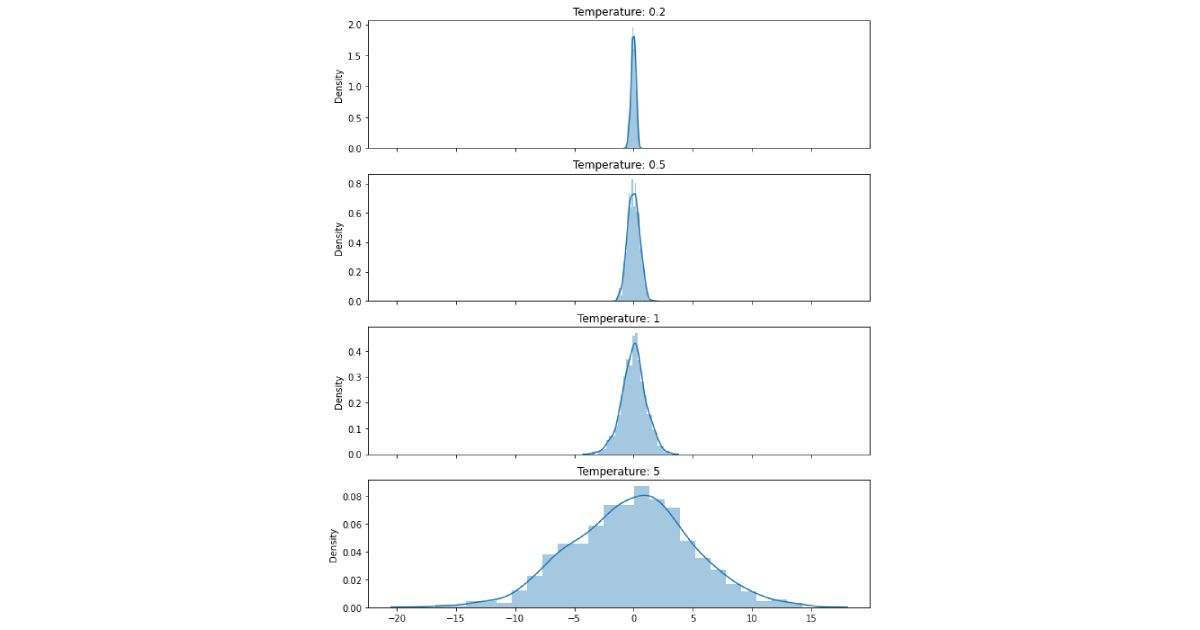
An illustration of answer variation based on LLM temperature.
Fortunately, there are some alternative ways of measuring AI engagement. One is to track inbound visits originating from LLMs. Of course, only a small minority of users who see your brand within a LLM will click to your website, but we can use this as a sample to make assumptions about these interactions as a whole.
For instance at Kooba, we can see how LLMs tend to be driving traffic towards our case study pages, rather than our journal entries. This suggests that (a) LLMs view our case studies as more relevant to user queries, and (b) that Kooba can improve the GEO of our journal pages.
Another option is to look at search impressions rather than actual website visits. Using Google Search Console, we can track which content ranks highly across different search terms, giving an indication of when your content was viewed within the SERP, even if users never actually clicked through to your site.
Historically, content with high impressions and low click-through rates (CTRs) was seen as underperforming, but this might change soon. If your content is being featured in AI overviews, that impression might actually be highly valuable in its own right. Unfortunately for now, Google makes no distinction between AI overview impressions and conventional impressions, making this metric hard to use in isolation.
A new role for web design
For an agency which has built its success on effective and beautiful digital experiences, this shift of traffic away from owned channels poses existential questions. It doesn’t, however, detract from the importance of having a well-designed digital presence. What it does mean is that the role of your website within your broader marketing strategy may need to change. By building an online platform that provides accessible and high-value content, you can maximise the chances of being ranked within LLM queries. This means that content design and content strategy are now more important than ever.
If you’re looking to build a marketing strategy around LLM rankings, your website will need to be designed as a publishing powerhouse. That involves logical content hierarchies, accessible layouts, and the integration of high-performing imagery and video. And behind all of this, you’ll need a flexible and user-friendly CMS that can streamline your publishing workflow.
A word of caution
Before we get too carried away about content-first web design, we need to put the scale of this shift into context. Traffic across LLMs remains a small fraction compared to that of traditional search engines, with the volume of daily searches on ChatGPT currently just 7% of Google’s. And whilst AI overviews are increasingly prevalent, they still only appear on 18% of Google search result pages.
In short, unless you believe your audience attention is concentrated within LLMs, your priority should remain on conventional search traffic, with the goal of bringing users onto your site, and converting them via a well-designed user experience. Ultimately, your website will remain crucial as a mark of legitimacy, regardless as to whether your audience engages with it at the top of the funnel.
There’s a lot to think about when it comes to LLM rankings, and the implications that this will have on content marketing and web design. The truth, unsurprisingly, is complicated. For some firms and markets this technology will require wholescale changes to content strategy, for others, conventional SEO concerns will remain the priority.
Good web design, as always, will need to reflect these specific client needs. If you’d like to chat to our specialist team about your unique requirements, just get in touch today.