




How we engage with the visual world around us always changes.
It’s a simple observation, but one which can create real frustration for marketing teams looking to create an effective visual brand.
With this in mind, we’ve identified five key changes to the world of branding, and explained how you can adapt to this shifting landscape.
Attention spans are decreasing
At the most basic level, the willingness of your audience to pay attention to your content has decreased significantly over the last decade. Widespread social media adoption, the proliferation of highly engaging content, and a shift towards video have all minimised the window in which your brand can make an impression.
As we argued in a recent article for kō, the best approach to manage this change in behaviour is quite old-fashioned. By returning to a core strategy focused on market research, distinctiveness, and high-quality visual assets, you can continue to compete for attention in this more challenging environment.
AI adoption is killing distinctiveness
This brings us to the issue of distinctiveness. As brands recklessly adopt AI tools to create entire brand strategies, we are increasingly observing a decline in distinctiveness. LLMs try to find averages when responding to design tasks, and this results in a loss of visual recognition when compared to industry peers. To understand this in depth, you can see our recent blog on the topic here.
Of course, this presents an opportunity for brands who remain focused on distinctiveness. By thinking about what makes your brand different and unique, you can find more recognition and audience engagement than ever before.
Inclusion matters more than ever
Of course, building a unique brand doesn’t mean we need to sacrifice inclusion. With the regulatory environment of the EU growing more strict with regards to accessibility, brands now need to consider how inclusive their visual assets are.
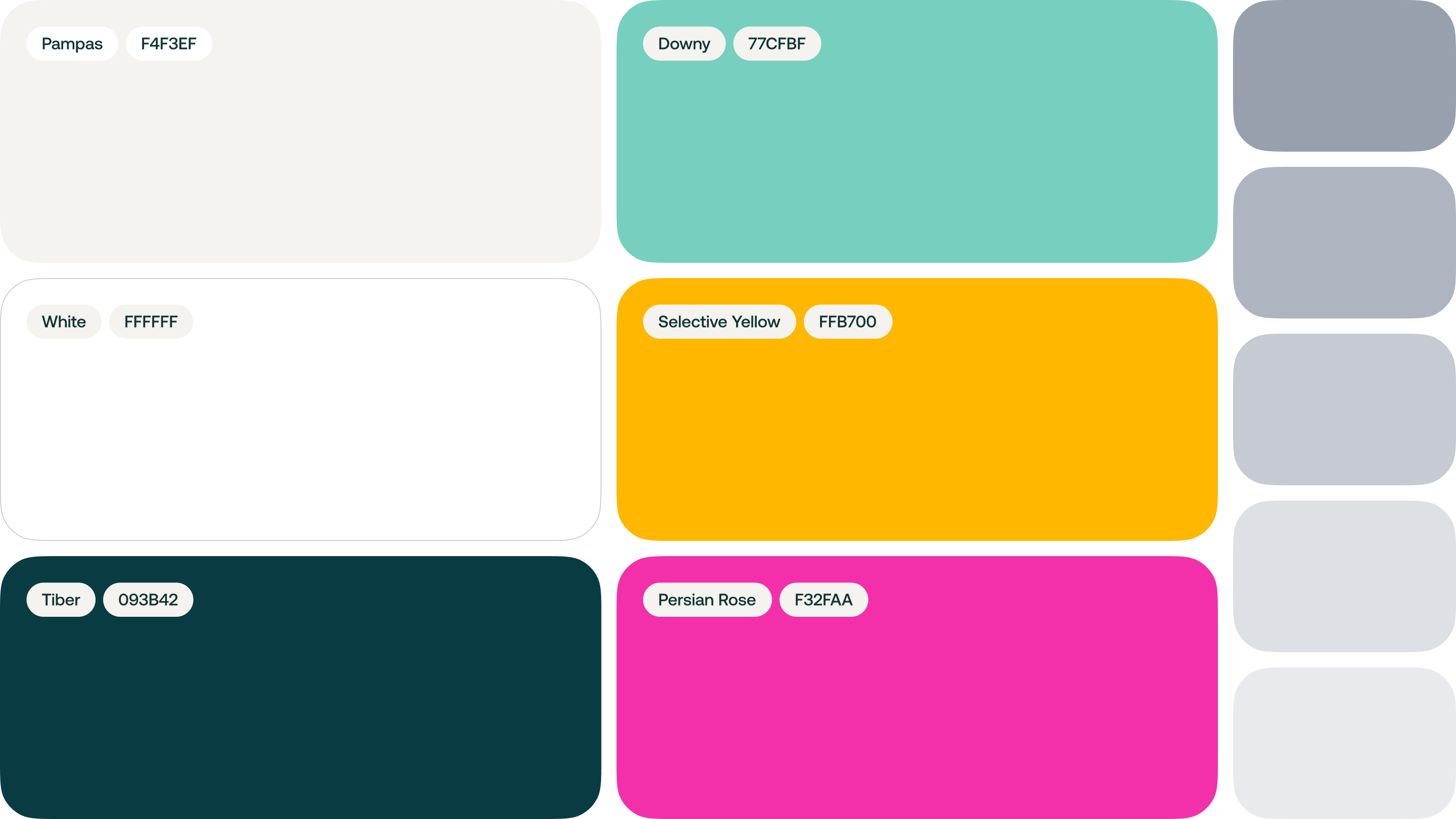
By designing a brand with clear visual features, an accessible typeface, and a high-contrast colour palette, you can future-proof your visual identity from legal challenges, and leave a positive impression on more of your users.
See Kooba’s work with Nexus Inclusion for an excellent example of a beautiful and fully accessible brand.
Motion is expected, not a bonus
In a visual environment dominated by motion and video, your brand can no longer afford to stay still. By designing a motion-first brand, you can ensure that your digital identity remains dynamic, responsive, and highly engaging.
This is particularly valuable when translating a brand across the touchpoints of your website and social media. In both these contexts, motion will improve engagement rates and, ultimately, drive improved brand impressions and lead generation.
See my previous article on the topic for more (including the surprising overlap between clever motion design and accessibility).
Optimising for AI platforms
AI tools can be counterproductive when creating brands, but that doesn’t mean we should ignore them completely. In a world where customers increasingly discover brands through LLMs, making sure that your business is surfaced correctly on these platforms is essential for building reach.
By extending your brand identity into a coherent range of copy and messaging, you can ensure that AI tools mention your brand in the right contexts and with the right language. Better yet, competitor research and a distinctiveness-based strategy can provide you with an uncontested niche in the market, making AI conversions remarkably easy.
Learn more
To learn more about the state of branding in 2026, check out our specialised branding team at kō! Better yet, follow our newsletter on the subject.
To start working on your own brand today, just reach out to our design team today. We’d love to learn more about your specific requirements!